German
 German is the first language of over 100 million people across the world. In Europe it is the mother tongue of more people than any other language (including English) and is spoken in Germany, Austria and the greater part of Switzerland.
In Eastern European countries it is the second foreign language, and more surprisingly, is the second language in some South American countries too. It is a very useful language to learn and has the potential to open a world of opportunities.
Germany has a strong economy and good job prospects for people offering a range of differing skills sets. However, Germans do like you to speak their language.
Graduates with German can look forward to securing a good job aboard or in the U.K, as there are over 2000 German companies currently operating in Britain. As a nation committed to research and development, Germans are on the frontline of new technologies. Germany exports more hightech products than any other country except the U.S. and more than 600 firms are active in the cutting-edge field of biotechnology. 115 of these are located in Munich alone. The east German city of Dresden has become Europe's microchip centre with more than 765 semiconductor firms.
Germany has the third largest economy in the world and is the economic powerhouse of the European Union. Austria has been identified as one of the countries whose inhabitants have the best quality of life. Switzerland, another German-speaking country, has one of the highest standards of living in the world.
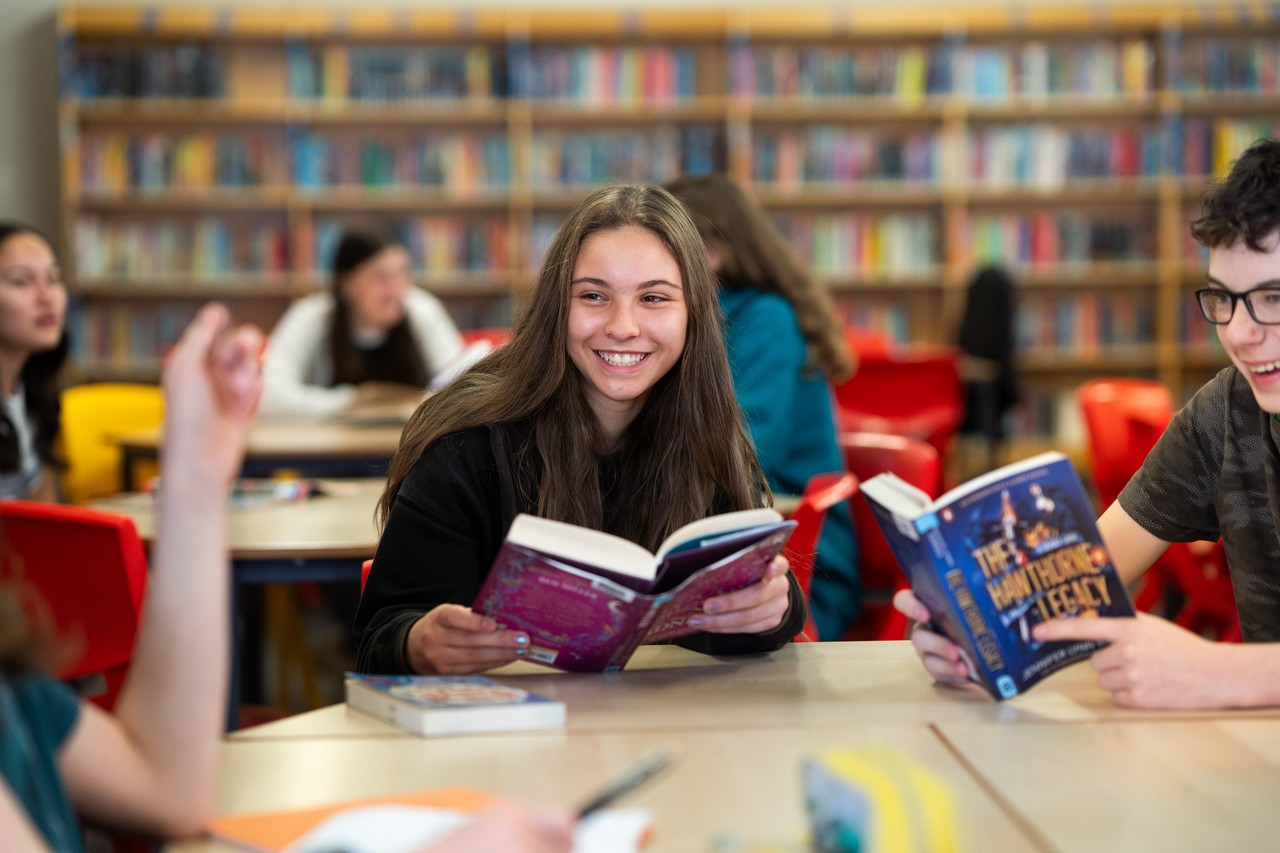
The GCSE course will focus on the four key language learning areas; listening, reading, writing and speaking, in a fun and interactive way. The topics studied will allow students to feel confident communicating with native speakers on a range contemporary issues. The course itself is 100% exam based.
Assessment
There are two tiers of entry (foundation or higher)
Examinations
- Listening (25% of final mark)
- Reading (25% of final mark)
- Speaking (25% of final mark)
- Writing (25% of final mark)